

Published May 30, 2026 · Updated May 30, 2026 · By Chris Nevada, Nevada Real Estate Group · NV License S.181401
Ask anyone in Honolulu where their cousins moved and the answer is often the same: Las Vegas. The connection runs so deep that islanders simply call it the "Ninth Island." It started in the 1970s with chartered flights to a downtown casino, and it never stopped — today more than 40,000 Native Hawaiians and Pacific Islanders call Clark County home, and remarkably, more Native Hawaiians now live on the mainland than in Hawaii itself. The reason is the same one driving the latest wave: paradise has become unaffordable, and the tax bill is about to climb again.
At Nevada Real Estate Group, we've helped island families land in the valley for years, and across our 6,225+ Las Vegas-metro closings over 16+ years, the Hawaii-to-Vegas move is one of the most emotionally and financially significant we handle. With Hawaii's cost of living the highest in the nation and a brand-new 13% tax bracket on million-dollar incomes arriving in 2027, the math has never been clearer. Here's the full picture — verified.
Las Vegas is nicknamed Hawaii's "Ninth Island" — over 40,000 Native Hawaiians and Pacific Islanders now live in Clark County. The draw is math: Hawaii has the nation's highest cost of living and an 11% income tax, with a new 13% bracket on income over $1 million arriving in 2027. Nevada has zero state income tax. Selling a roughly $1.2 million Oahu home can buy a larger Las Vegas home outright and bank the difference — tax-free.
- Over 40,000 Native Hawaiians and Pacific Islanders already live in Clark County — Las Vegas is the "Ninth Island."
- Hawaii's top income tax is 11%, with a new 13% bracket on income over $1 million starting in 2027.
- Hawaii's cost of living is the highest in the US (index near 193); Oahu's median home tops $1.2 million.
- Nevada has zero income tax, zero capital gains tax, and no general excise tax on rent or services.
- Oahu home equity goes far in Las Vegas — often a larger home plus cash left over.
Why Is Las Vegas Called Hawaii's Ninth Island?
The nickname is older than most people realize. According to Honolulu Civil Beat, the term took hold in the 1970s after casino owner Sam Boyd's downtown property — the California Hotel, known to islanders as "the Cal" — began marketing directly to Hawaii and chartering flights from the islands. What started as a gambling getaway became a migration corridor. UNLV researchers trace the modern community to those early Boyd-era charters, and the bond never faded.
The numbers tell the story. According to the U.S. Census Bureau, more than 40,000 Native Hawaiians and Pacific Islanders now live in Clark County — the largest such community on the mainland and the biggest Pacific Islander group in the valley. Roughly 370,000 Native Hawaiians live on the mainland today versus about 309,000 in Hawaii, and an estimated 15,000 residents leave the islands for the mainland every year. Las Vegas isn't a random destination for them — it's a established second home, complete with Hawaiian restaurants, markets, churches, civic clubs, and an annual calendar of island events. Moving here doesn't mean leaving the community behind; for many, the community is already here.
What Just Changed With Hawaii's Taxes?
The financial pressure that's always pushed islanders out just intensified. According to Bloomberg Tax, Governor Josh Green signed a tax package (SB 3125) creating a new 13% income tax bracket for income over $1 million, beginning with the 2027 tax year. That rate trails only California's 13.3% as the highest state income tax in the country — and unlike Washington's new millionaire tax, which exempts the first $1 million entirely, Hawaii taxes income from the first dollar and then stacks the 13% bracket on top.
This sits atop an already heavy system. Hawaii's income tax tops out at 11% on income over roughly $325,000 for single filers, per the Hawaii Department of Taxation. A 2024 law did cut taxes for lower and middle earners — and those cuts were preserved — but the new top brackets move in the opposite direction for high earners. The signal to anyone clearing seven figures in Honolulu is unmistakable: the cost of staying is going up, not down. We covered the parallel story in our Washington millionaire tax analysis; Hawaii's version is steeper and arrives a year sooner.

How High Is Hawaii's Tax Burden Really?
Income tax is only part of it. Hawaii's signature levy is the General Excise Tax (GET) — 4% statewide, 4.5% on Oahu — and it's far broader than a normal sales tax. According to the Hawaii Department of Taxation, the GET applies to nearly everything: groceries, rent, medical services, and even transactions between businesses, compounding through the supply chain so the real economic bite often exceeds the headline rate. A renter in Honolulu effectively pays GET embedded in the rent; a patient pays it on medical care.
Stack the GET on top of an 11% income tax (soon 13% for millionaires) and the result is what locals call the "paradise tax." According to the Tax Foundation, Hawaii consistently ranks among the states with the highest overall tax burdens in the nation. For a high earner, the combination of income tax and an everything-tax like the GET is exactly the kind of compounding cost that relocation can erase in one move.
How Does Nevada Compare on Taxes?
The contrast is stark. According to the Nevada Constitution, Article 10 prohibits a tax on personal income — and the Nevada Department of Taxation confirms the state collects no income tax on wages, business income, retirement income, or capital gains. There is no Hawaii-style general excise tax, either: Nevada levies a retail sales tax (about 8.375% in Clark County) but does not tax most groceries, residential rent, or medical and professional services the way the GET does.
Here is the head-to-head:
| Factor | Hawaii | Nevada |
|---|---|---|
| Top income tax | 11% (13% over $1M from 2027) | 0% |
| Capital gains tax | Taxed as income (up to 11%+) | 0% |
| Tax on rent / services / food | Yes — GET 4%–4.5% | No GET; most groceries exempt |
| Estate tax | Yes | None |
| Cost-of-living index | ~193 (highest in US) | Near national average |
| Median home price | $1.2M+ (Oahu) | About $460,000 (metro) |
Crucially, Nevada's no-income-tax status is constitutional, not just statutory. According to the Tax Foundation, changing it would require a constitutional amendment passed in two consecutive legislative sessions plus a statewide vote — so the zero is durable, not a rate that shifts with each budget. We break the specifics down in our guide to whether Nevada has a state income tax.
What Would a Hawaii Resident Save by Moving to Las Vegas?
The savings show up in two places: the income tax you stop paying, and the everyday costs that fall. On the income side, the new 13% millionaire bracket alone is striking — here's what it adds on the portion of income above $1 million, on top of Hawaii's existing graduated tax:
| Annual income | Amount over $1M | Hawaii 13% bracket adds | Nevada |
|---|---|---|---|
| $1,000,000 | $0 | $0 (plus tax up to 11% below) | $0 |
| $1,500,000 | $500,000 | $65,000 | $0 |
| $2,000,000 | $1,000,000 | $130,000 | $0 |
| $3,000,000 | $2,000,000 | $260,000 | $0 |
| $5,000,000 | $4,000,000 | $520,000 | $0 |
Remember, that 13% is only the top slice — Hawaii also taxes the income below $1 million at rates climbing to 11%, while Nevada taxes none of it. A Honolulu earner at $2 million could easily owe well over $200,000 a year in total Hawaii income tax; in Nevada, the number is zero. For most island families, though, the bigger swing isn't the millionaire bracket — it's the cost of living and the home equity, which we'll turn to next.
How Do Home Prices Compare: Oahu vs Las Vegas?
This is where the move pays for itself. According to recent market data, Oahu's single-family median price topped $1.2 million in early 2026 — a record — while according to Las Vegas REALTORS, the Las Vegas-metro median sits near $460,000. That roughly $740,000 gap is the heart of the Ninth Island migration. Here's what the same money buys in each place:
| Budget | Oahu | Las Vegas |
|---|---|---|
| $460,000 | Condo / leasehold unit | Solid single-family home |
| $700,000 | Older small single-family | Upgraded home in a master plan |
| $1,200,000 | Median Oahu home | Large luxury home, premium lot |
| $2,000,000+ | Comfortable single-family | Guard-gated custom estate |
A family selling a median Oahu home for $1.2 million can buy a larger, newer Las Vegas home for $600,000–$700,000 in a top community, pocket roughly half a million dollars, and never pay state income tax on a paycheck again. That's not a lateral move — it's a financial reset.

How Much Cheaper Is the Cost of Living in Las Vegas?
Beyond housing, daily life costs dramatically less. According to cost-of-living research, Hawaii's index sits near 193 in 2026 — the highest of any state and nearly double the national average — driven by groceries shipped across an ocean, some of the country's highest electricity rates, and gas well above mainland prices. Las Vegas, by contrast, hovers near the national average. Milk, eggs, utilities, and fuel all cost meaningfully less here, and there's no GET quietly padding every receipt.
Put the income-tax savings, the housing swap, and the lower everyday costs together, and the gap is enormous. A household that felt financially stretched in Honolulu often finds the same income funds a comfortable, even upgraded, life in Las Vegas — with room to save. It's the same affordability migration reshaping the West Coast, but Hawaii's version is the most acute in the country, because nowhere is the cost of living higher.
What Can Hawaii Home-Sale Proceeds Buy in Las Vegas?
For island homeowners, the equity unlock is the headline. Selling into Oahu's million-dollar-plus market and buying in Las Vegas frees up cash that simply isn't accessible while you stay. A retiring couple might sell a $1.3 million Honolulu home, buy a single-story Las Vegas home for $550,000, and bank roughly $750,000 toward retirement — all while erasing the GET and any state income tax on their retirement income. A working family might trade a cramped Oahu condo for a four-bedroom home with a yard in a master plan, and still cut their monthly housing cost.
High earners facing the new 13% bracket have the most to gain. The same proceeds that buy a modest Honolulu property can secure a luxury home in Summerlin or a guard-gated estate, while the annual income-tax savings fund the lifestyle. We detail the high-end options in our guide to Nevada tax advantages for luxury Las Vegas owners.

Which Las Vegas Communities Do Hawaiian Families Choose?
Hawaii transplants spread across the valley, but a few patterns hold. Families gravitate toward the master-planned communities for their schools, parks, and safety — Summerlin and Henderson for the full master-plan experience, and growing areas of North Las Vegas and the southwest for newer homes at lower price points. Many islanders specifically seek new-construction homes, which offer the modern layouts and energy efficiency that are rare and expensive on Oahu.
For high earners and those selling significant Oahu equity, the valley's luxury communities and guard-gated communities deliver custom estates at a fraction of comparable island prices. Wherever they land, buyers appreciate that the Hawaiian community — restaurants, markets, churches, and events — is woven across the whole metro, not confined to one enclave.
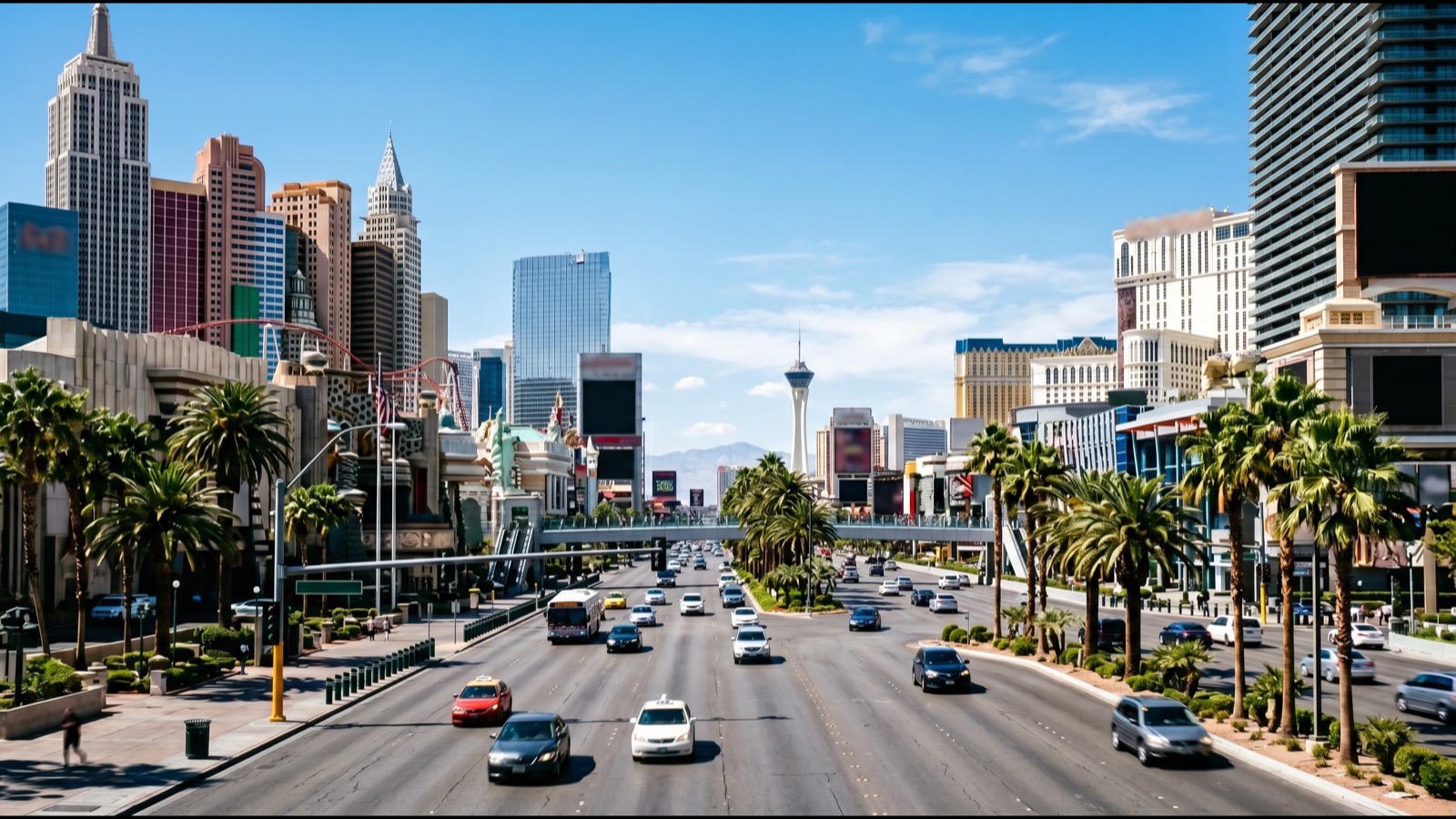
How Strong Is the Hawaiian Community in Las Vegas?
Stronger than almost anywhere outside the islands. The downtown California Hotel still serves Hawaiian comfort food and remains a cultural anchor, but the community now stretches valley-wide: Hawaiian and Filipino markets, plate-lunch restaurants, poke shops, ukulele and hula halau, Hawaiian Christian congregations, and Hawaiian civic clubs that keep language and tradition alive. Annual festivals draw thousands. For a family weighing the move, this matters as much as the money — relocating to Las Vegas doesn't mean giving up the culture; it means joining the largest expat Hawaiian community on the mainland, with direct nonstop flights home in under two hours of airtime each way for holidays and family.
That cultural infrastructure is a big reason the Hawaii-to-Vegas move tends to stick. Families who feared isolation find the opposite — a network of fellow transplants who've already navigated everything from finding poke to enrolling kids in school. Our broader relocation resources cover the logistics, but the community part largely takes care of itself here.
What Does Establishing Nevada Residency Require?
To capture the tax benefits, the move has to be real. The core steps to establish Nevada residency and end Hawaii's tax claim are well-defined:
- Physical presence: make Nevada your primary home and spend the majority of the year here — generally 183+ days — with records to prove it.
- Domicile: get a Nevada driver's license, register to vote, register your vehicles, and establish your primary residence in the state.
- Sever Hawaii ties: sell or rent out the Hawaii property, move banking and key professional relationships, and update your life — physician, memberships, mail.
- Document the timeline: keep clear records, since the burden of proving the move falls on you.
For high earners — especially anyone anticipating a business sale or a large income year that would trigger the 13% bracket — establishing clean Nevada residency before that event is the highest-leverage version of the move. The mechanics and timing are a question for your CPA and tax attorney, not a blog, but the real-estate side starts with securing your Nevada home.
When and How Should You Plan the Move From Hawaii?
Timing rewards planning. The new 13% bracket takes effect in the 2027 tax year, so a high earner who relocates and establishes Nevada domicile before then sidesteps it from the start. For everyone else, the calculus is simpler: every year in Hawaii is a year of the nation's highest cost of living and a heavy tax load, and every year in Nevada is neither.
A clean Hawaii-to-Vegas move usually runs on a longer runway than a mainland-to-mainland move, because you're coordinating an interisland-plus-overseas relocation. The sequence we see work: list the Hawaii home, line up the Las Vegas purchase (often before the islands sale closes, given our faster pace), time the closings to bridge cleanly, and relocate the family around the school calendar. Buyers who start six to twelve months out move smoothly; those who wait scramble. With Oahu inventory tight and Las Vegas offering far more selection, having a Nevada agent working your side early is what keeps the two transactions in sync.
What Are the Trade-offs of Leaving Hawaii?
Honesty matters, because this move is as emotional as it is financial. Leaving Hawaii means leaving ohana, the ocean, the climate, and a culture that doesn't fully replicate anywhere — and the distance is real, even with nonstop flights. The desert is hot and dry where the islands are temperate and green. None of that should be minimized, and for some families the connection to the land outweighs every dollar. That's a valid choice.
But for the many who are already stretched thin or facing the 2027 tax increase, the numbers are simply hard to argue with: dramatically lower cost of living, no state income tax, home equity that unlocks a stronger financial future, and a thriving Hawaiian community already in place. Our role is the real-estate half of that decision — helping you find the right Las Vegas community and timing the move cleanly. Pair us with your financial and tax advisors, and the "Ninth Island" becomes less a saying and more a plan.
Frequently Asked Questions
Why is Las Vegas called Hawaii's Ninth Island?
The nickname dates to the 1970s, when Sam Boyd's downtown California Hotel ("the Cal") began marketing to Hawaii and chartering flights from the islands. Over decades it grew into a migration corridor, and today more than 40,000 Native Hawaiians and Pacific Islanders live in Clark County — the largest such community on the mainland. With Hawaiian restaurants, markets, churches, and festivals throughout the valley, Las Vegas functions as a true "ninth island."
What is Hawaii's income tax, and what's changing in 2027?
Hawaii's income tax tops out at 11% on higher incomes today. Governor Josh Green signed a package (SB 3125) adding a new 13% bracket on income over $1 million, effective for the 2027 tax year — second only to California's 13.3% nationally. Unlike Washington's new millionaire tax, Hawaii taxes income from the first dollar and stacks the 13% on top, so a high earner's total Hawaii bill is substantial.
How much would I save in taxes by moving from Hawaii to Nevada?
Nevada has no state income tax, so you save the entire Hawaii income-tax bill — which for a high earner can run well into six figures annually once the 13% bracket applies. You also escape Hawaii's General Excise Tax on rent, services, and groceries. The savings vary by income and spending, so model your specific situation with a CPA, but the direction is unambiguous.
How do Las Vegas home prices compare to Oahu?
It's roughly a $740,000 gap at the median. Oahu's single-family median topped $1.2 million in early 2026, while the Las Vegas-metro median is near $460,000. A family selling a median Oahu home can typically buy a larger, newer Las Vegas home for $600,000–$700,000 and keep several hundred thousand dollars in equity.
Is the Hawaiian community in Las Vegas big enough to feel at home?
Yes — it's the largest expat Hawaiian community on the mainland. Beyond the California Hotel downtown, the valley has Hawaiian and Filipino markets, plate-lunch and poke restaurants, hula halau, Hawaiian churches, civic clubs, and annual festivals. Most transplants find the cultural network already in place, which is a major reason the move tends to stick.
What does it take to become a Nevada resident for tax purposes?
Generally you need to make Nevada your primary home (183+ days), establish domicile (Nevada driver's license, voter and vehicle registration, primary residence), and sever Hawaii ties (sell or rent the home, move banking and key relationships). Document everything. If you're a high earner timing a move around the 2027 tax change or a liquidity event, coordinate closely with your CPA and attorney.
Does Nevada have a general excise tax like Hawaii's GET?
No. Nevada has a retail sales tax (about 8.375% in Clark County) but no general excise tax, and it exempts most groceries and does not tax residential rent or professional and medical services the way Hawaii's GET does. For everyday spending — especially rent and food — the Nevada structure is meaningfully lighter than Hawaii's.
Which Sources Inform This Hawaii-to-Nevada Comparison?
This guide combines primary tax and demographic sources with Nevada Real Estate Group's experience representing relocating island families across 6,225+ Las Vegas-metro closings. Hawaii's new 13% bracket comes from Bloomberg Tax and the Hawaii Department of Taxation; the "Ninth Island" history from Honolulu Civil Beat. Population and migration figures are from the U.S. Census Bureau; tax-burden rankings from the Tax Foundation. Nevada's structure references the Nevada Constitution and the Nevada Department of Taxation; Las Vegas pricing from Las Vegas REALTORS, and federal capital gains rules from the IRS. Tax laws and prices change — verify current rates, thresholds, and residency rules with a qualified professional before acting.
Information deemed reliable but not guaranteed. This article is educational and is not tax, legal, or financial advice — Hawaii's 2027 tax change and residency outcomes are specific to your situation. Consult a qualified CPA and attorney before relocating for tax purposes. Nevada Real Estate Group · (702) 637-1759 · NV License S.181401.